Domestic
Guides relevant to Part 91 flight department management and operations.
-
Piloting an aircraft is just the entry point into the world of business aviation. The success of a small flight department often rests on the knowledge and experience of the dedicated team at the helm. What makes the work both rewarding and dynamic is the wide range of topics and organizations that Part 91 flight department professionals engage with daily.
The growing list of guides below reduces aspects of running a complete operation from the complex to the essential, starting with introducing all available live aircraft options, walking through the steps of acquisition to standing up a Part 91 flight department, and into building a world-capable operation.
Acquisition
A rundown of all 53 in-production aircraft. Turboprops, Very Light Jets, Light Jets, Mid-Size, Super-Mid, Large Cabin, Ultra-Long Range, and Bizliners. Estimated price and budget in 2025.
Used aircraft manufacturers’ lineage, business dealings, and aircraft models produced over the last 20 years.
Calculate the operating cost and financing for new in-production aircraft. Customize to your operation.
This guide sheds light on the aircraft acquisition process, setting expectations for the steps involved: sourcing, brokers, offers, contracts, inspections, escrow, titles, registrations, tail number changes, and registration blocking.
An aircraft is a legitimate and valuable business tool that generates deductible business expenses. Proper structure and record-keeping are essential to cover your assets from municipal, state, and federal taxation agencies.
Learn about the Flight Department Company Trap, dry leases, depreciation, sales/use/property tax, deductions, SIFL, FET, and SEC considerations.
Flight Department Setup
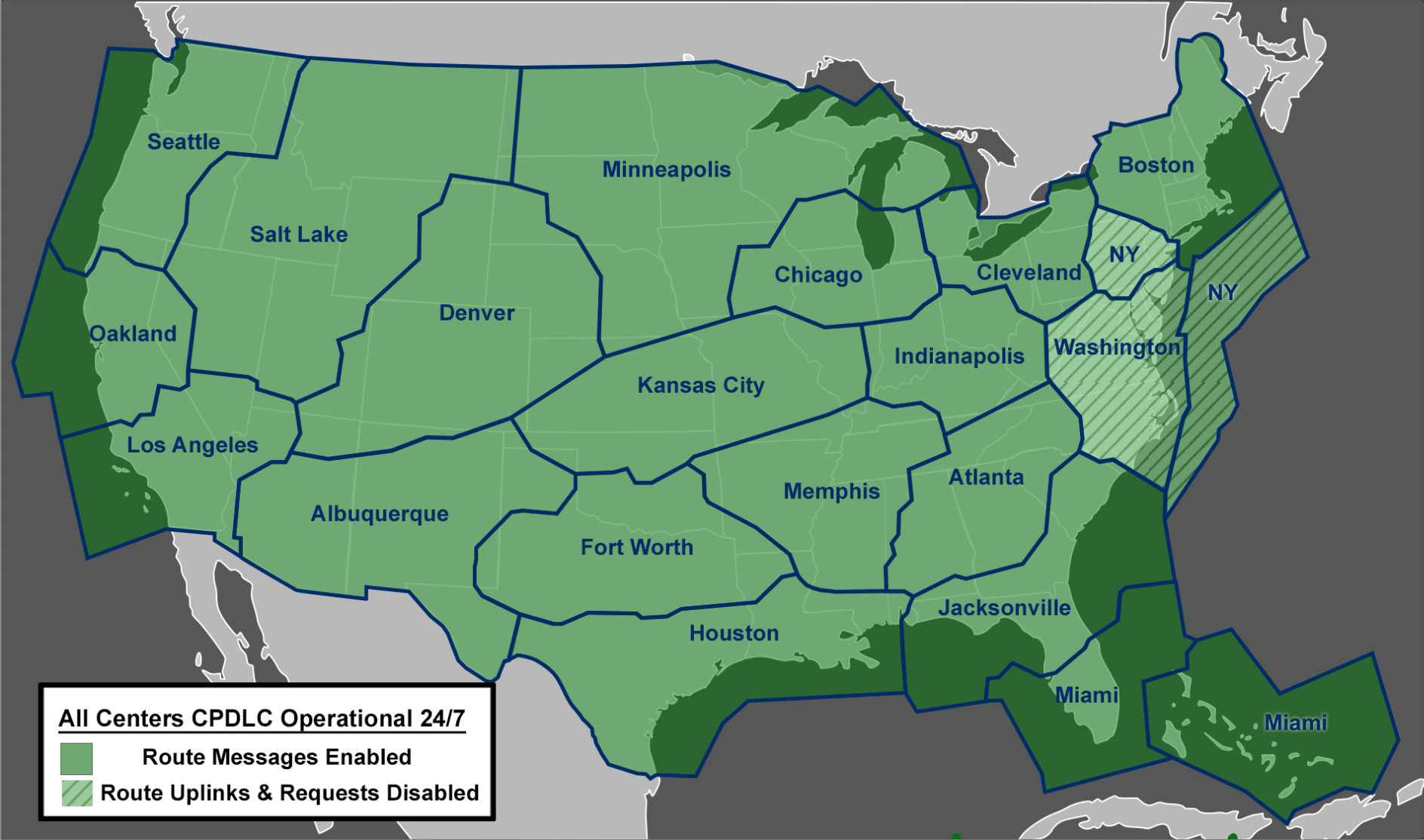
Enroute CPDLC is now live for all of US domestic airspace. L3 Harris has a CPDLC portal that is your go-to source for applying and learning about the new procedures.
In the ADS-B era, any ADS-B equipped aircraft is trackable. There are several steps you can take to increase your privacy via FAA programs: CARES, LADD, and PIA. None of the programs offers an entirely anonymous solution. To travel compeley incognito, don't own an ADS-B transponder.
Authorizations
To “self-authorize” your operation for RVSM via the ADS-B exemption, ensure your aircraft qualifies, the crew are properly training, and complete a little bit of paperwork. International operations will require a full RVSM LOA from the FSDO.
A Minimum Equipment List (MEL) Letter of Authorization (LOA) is necessary for a turbine aircraft to depart with inoperative instruments or equipment. A Special Flight Permit is needed if the item cannot be deferred via a MEL. The primary source of information is AC 91-67.
Next Level
Considerations for implementing a Safety Management System (SMS) in your Part 91 operation.
Bonus
Based on the data from NBAA’s guide, "Reducing Runway Excursions in Business Aviation,” practical suggestions are offered that reassess takeoff, landing, and go-around considerations.